
Photography can help you
H E A L
“The moment the shutter clicked, I felt a shift within me.” - Bryce Evans
Photography is one of the first loves of my life; magical, mysterious, a powerful truth-teller and tool for emotional expression. A tool to infuse reality with symbolism and secrets, to express my fear alongside beauty, to stop and be in the present moment.
Before becoming a therapist, I worked as an art professor and artist. I used photography as a therapeutic tool to examine difficult happenings in my personal life. My camera provided the distance I need to examine my fright, my confusion, my sadness, from a safe space behind my lens and computer screen.
Photography allowed me to confront, understand, and express what I could not say with words. As your therapist, I am uniquely equipped to utilize photography into our sessions.
Scroll down to learn more about PhotoTherapy, an evidence-based expressive arts intervention, and how photography can help you on your healing journey.
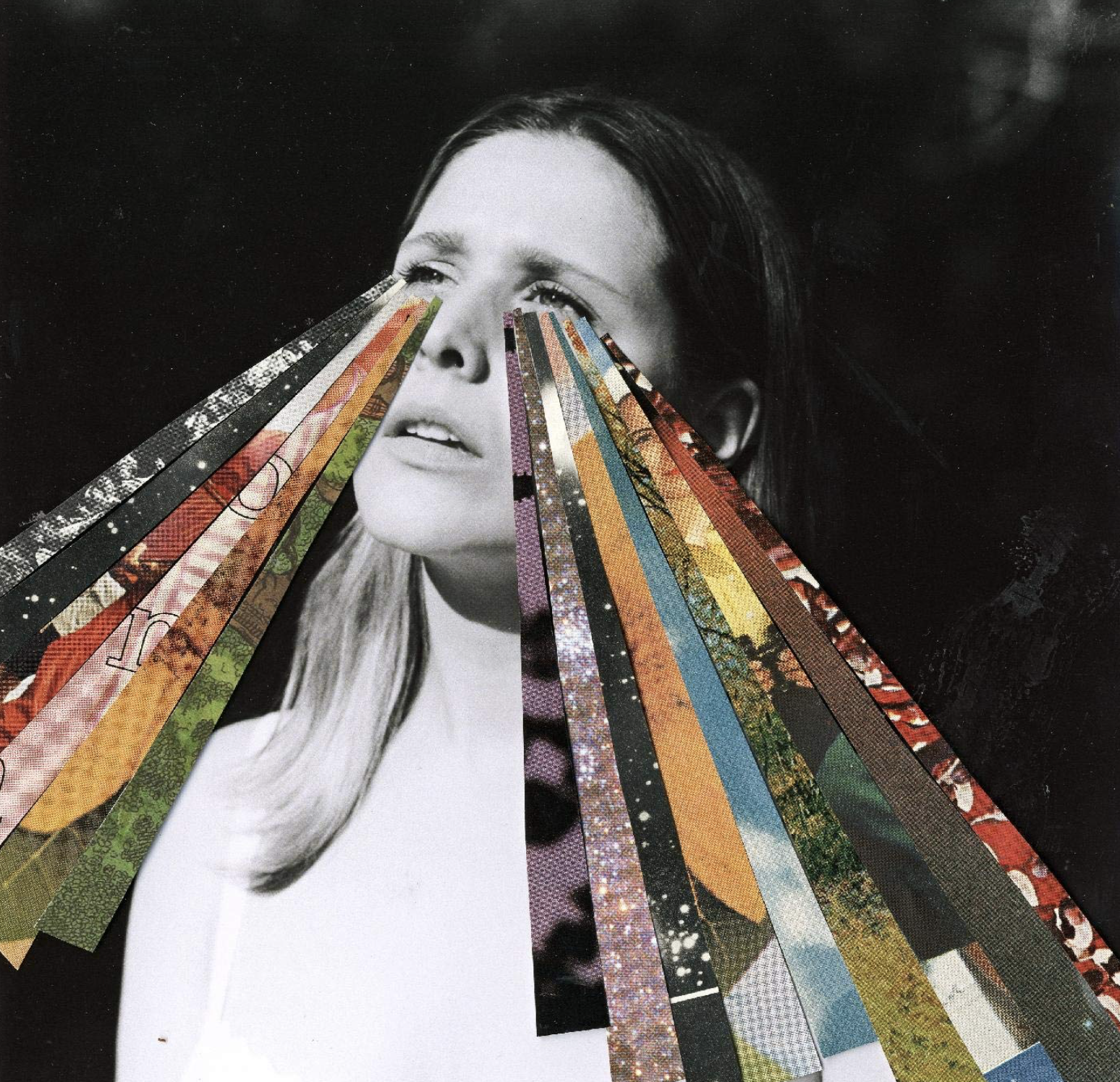
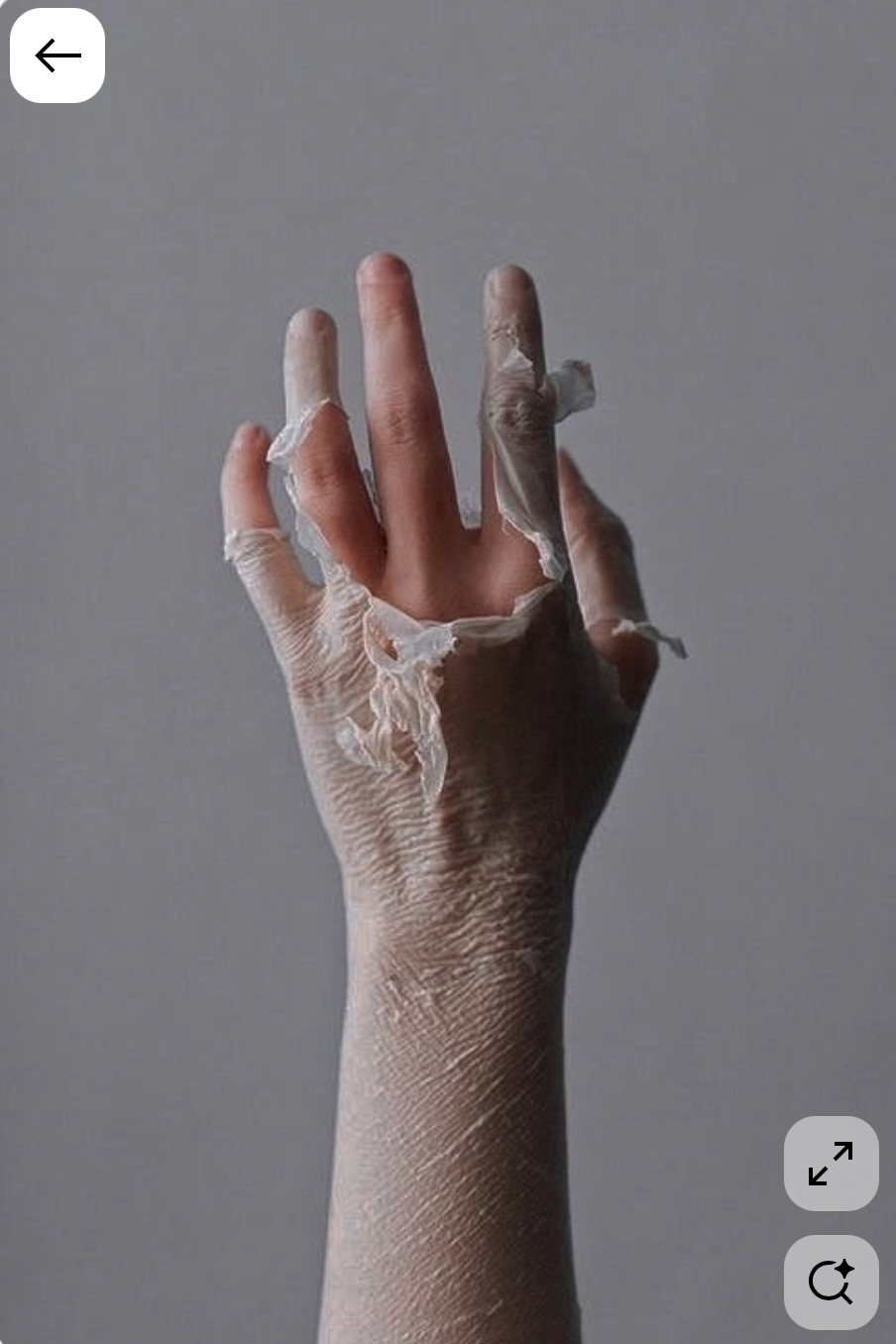
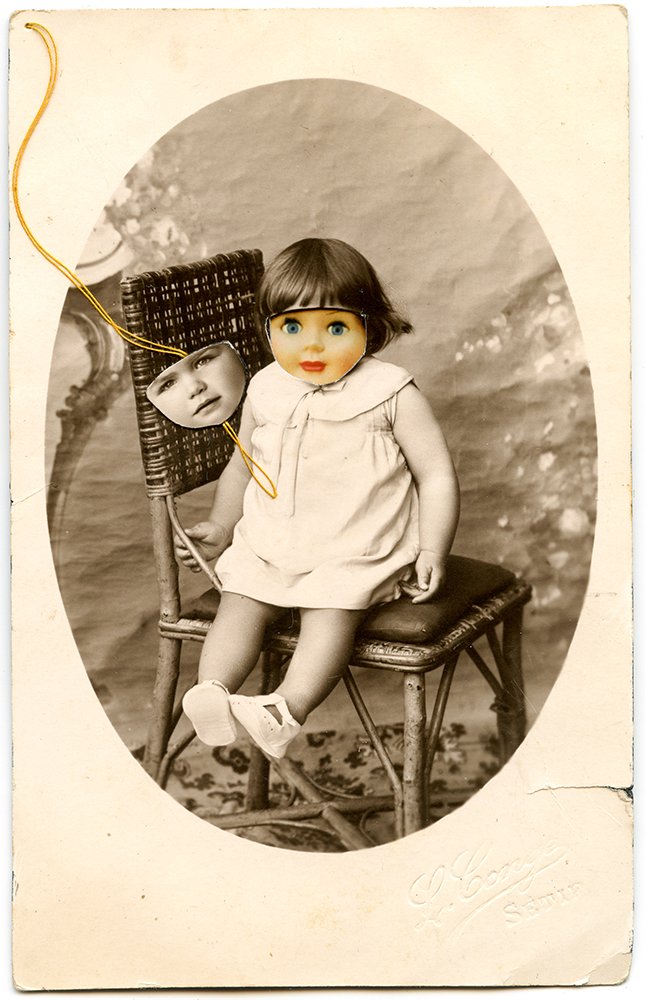
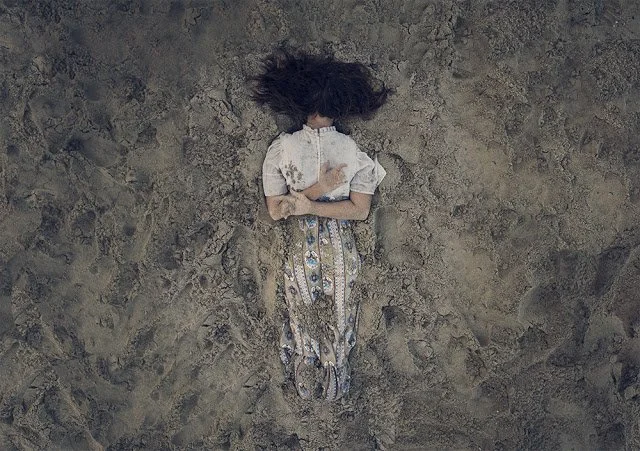
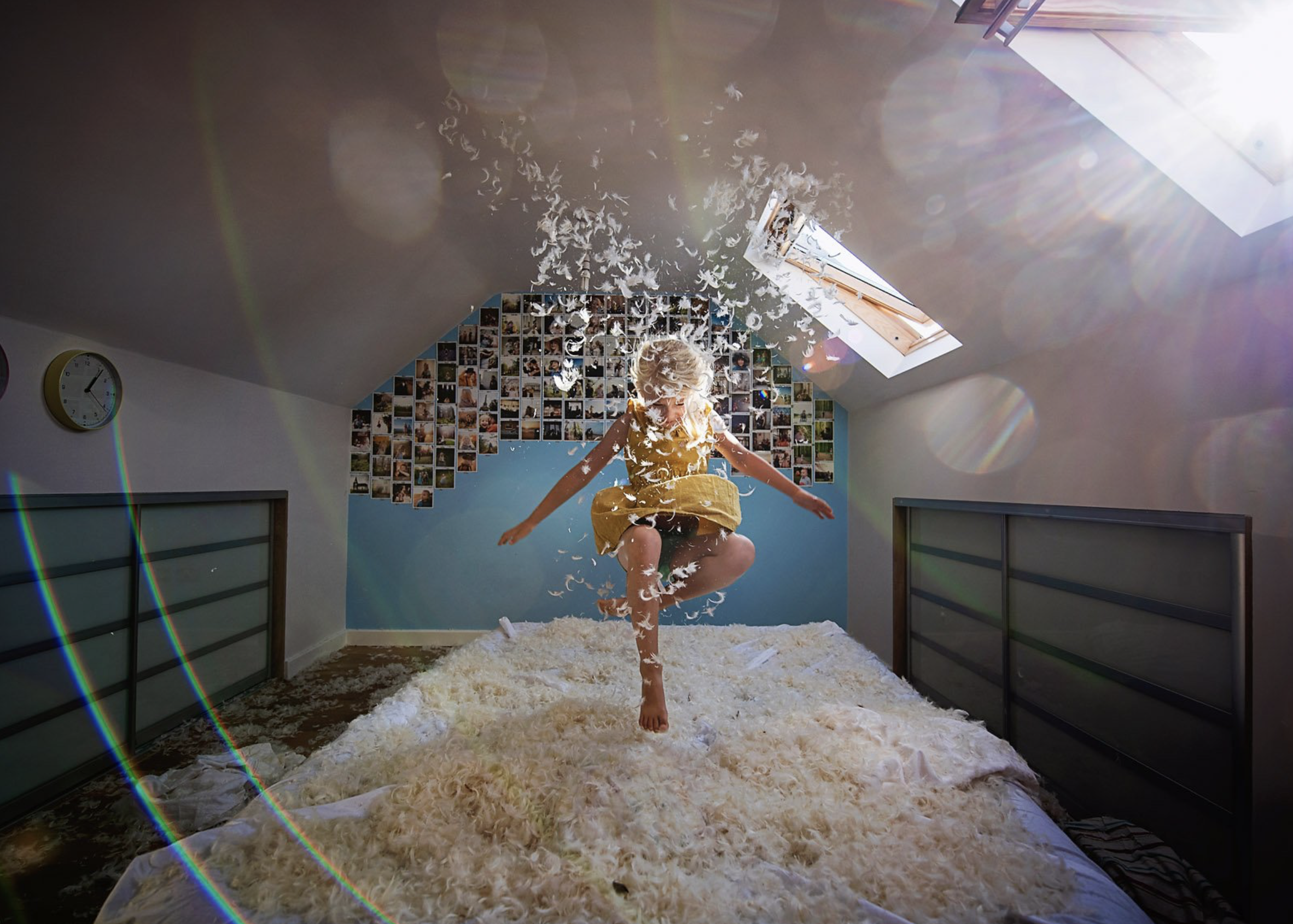
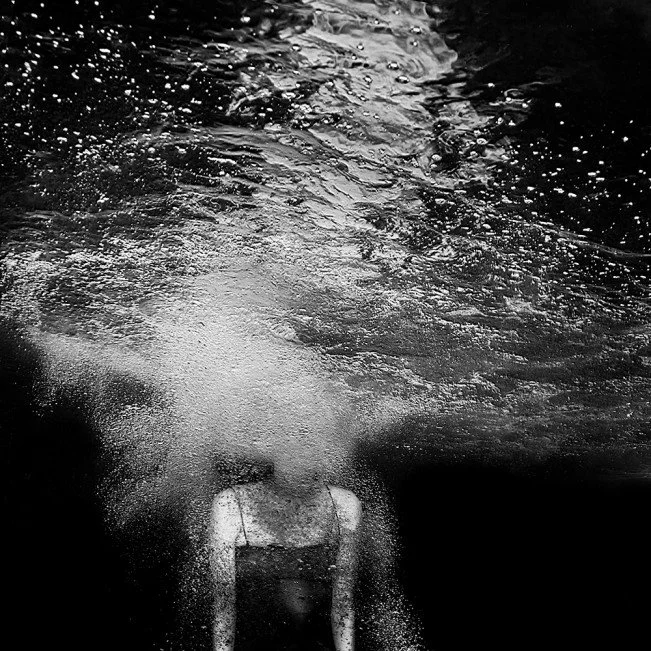
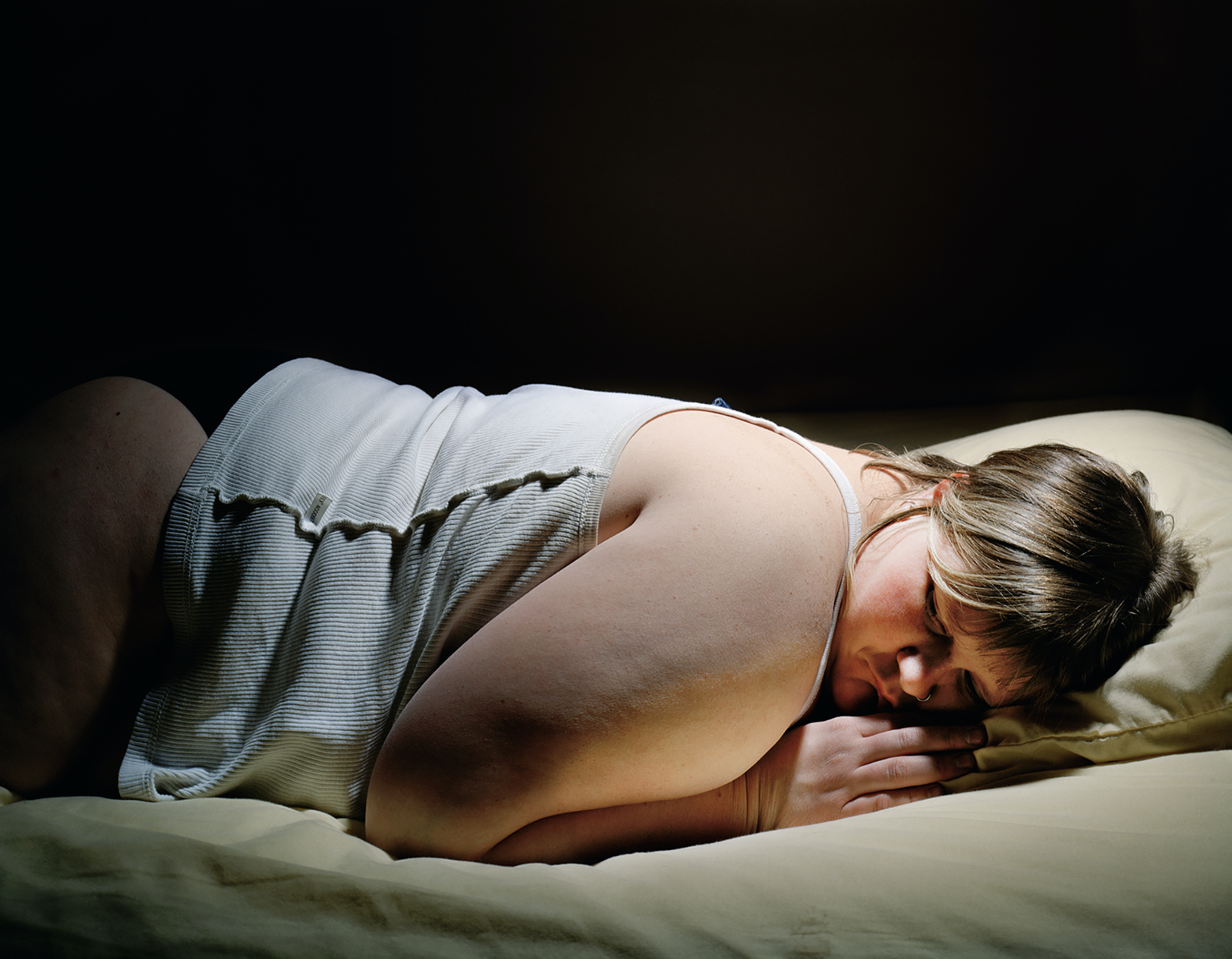
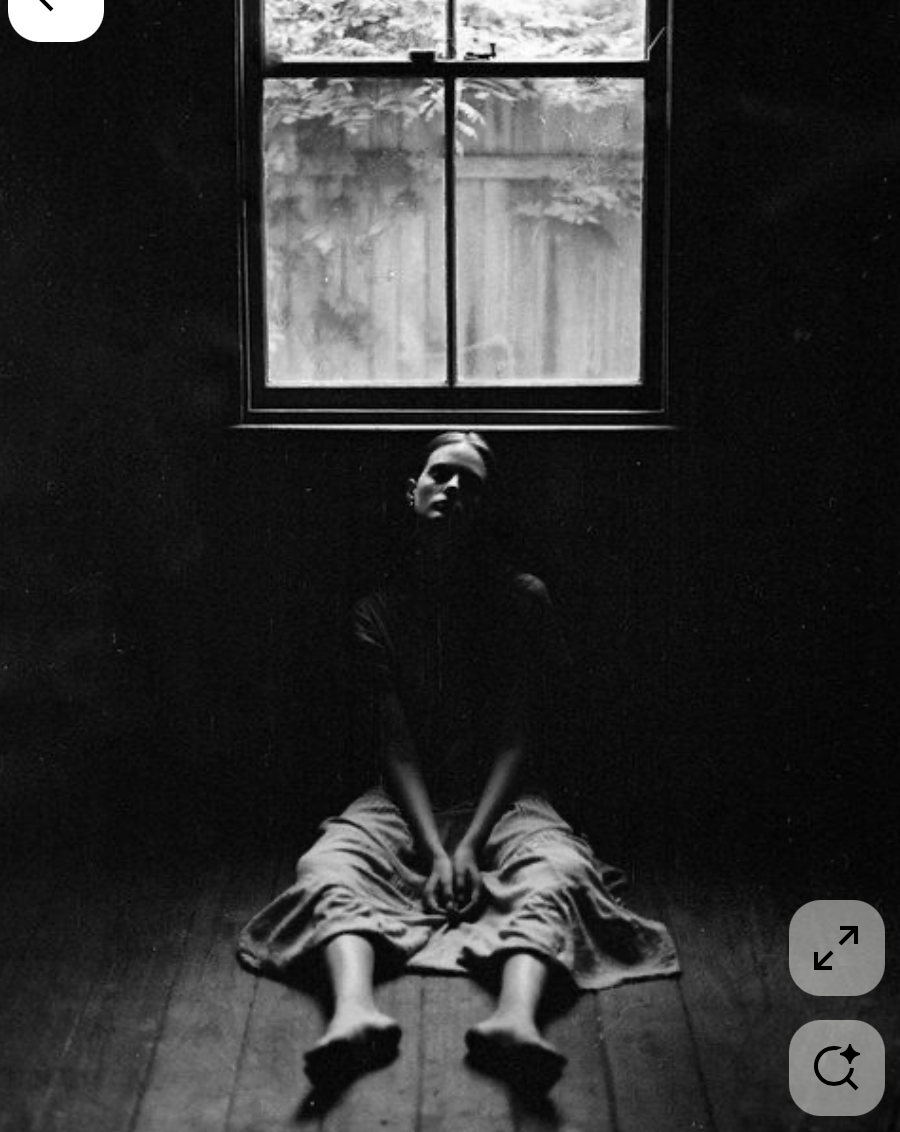
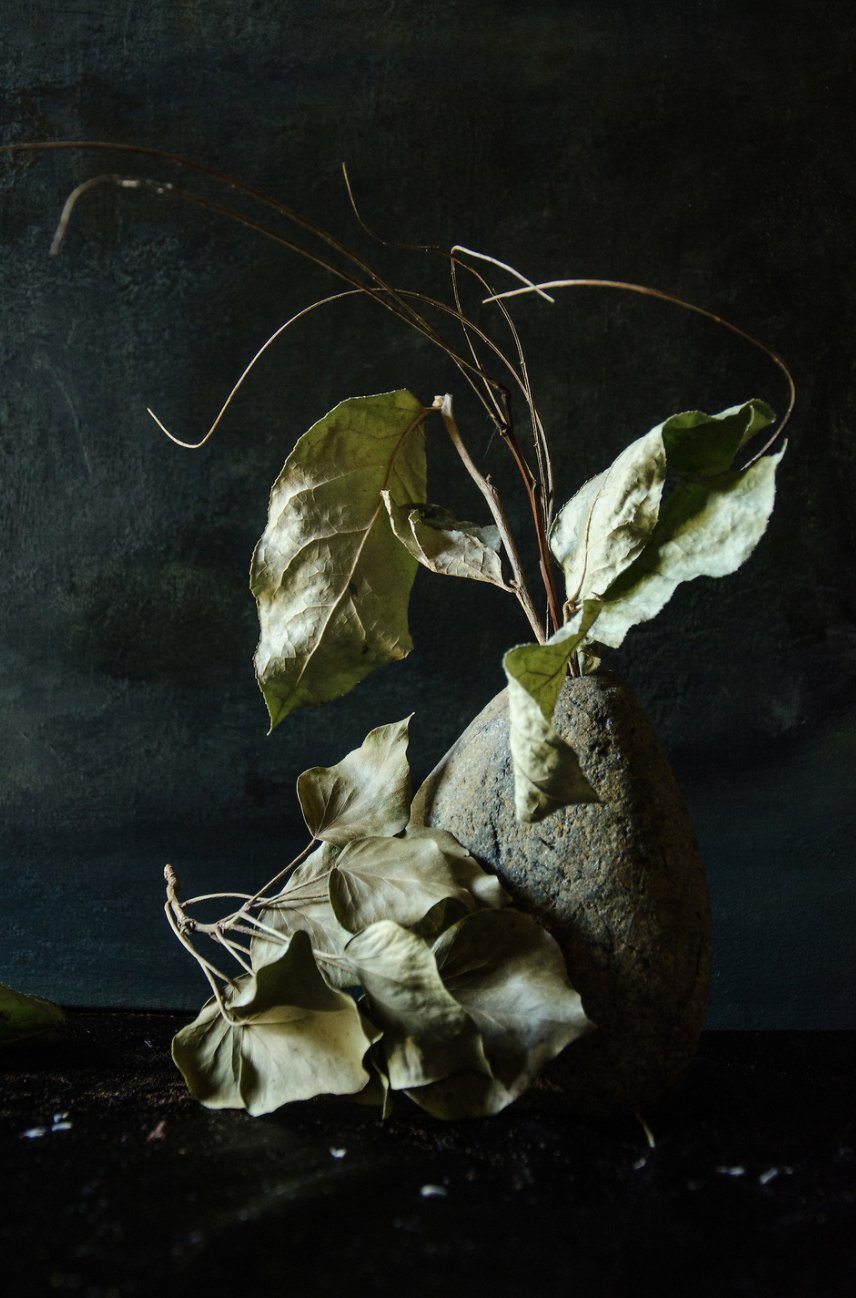
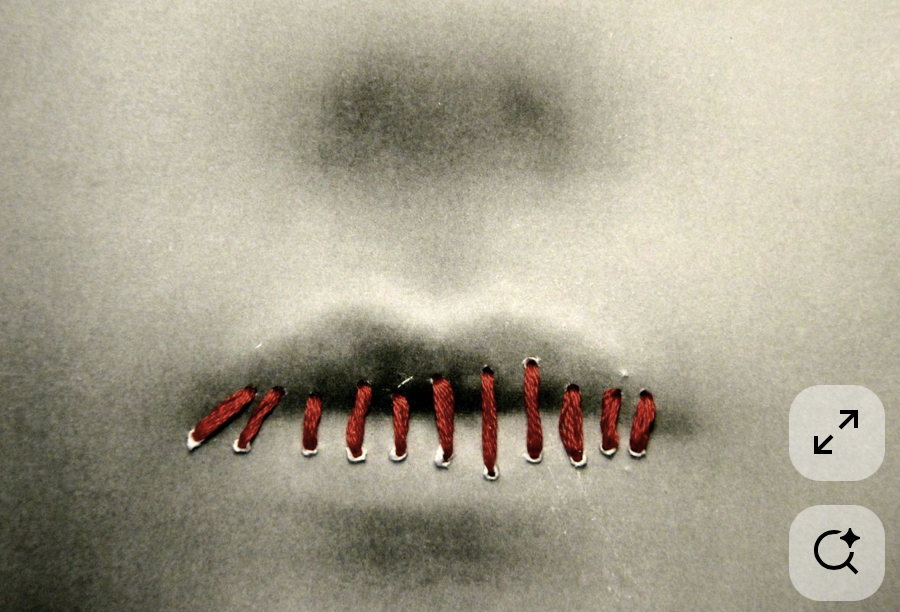
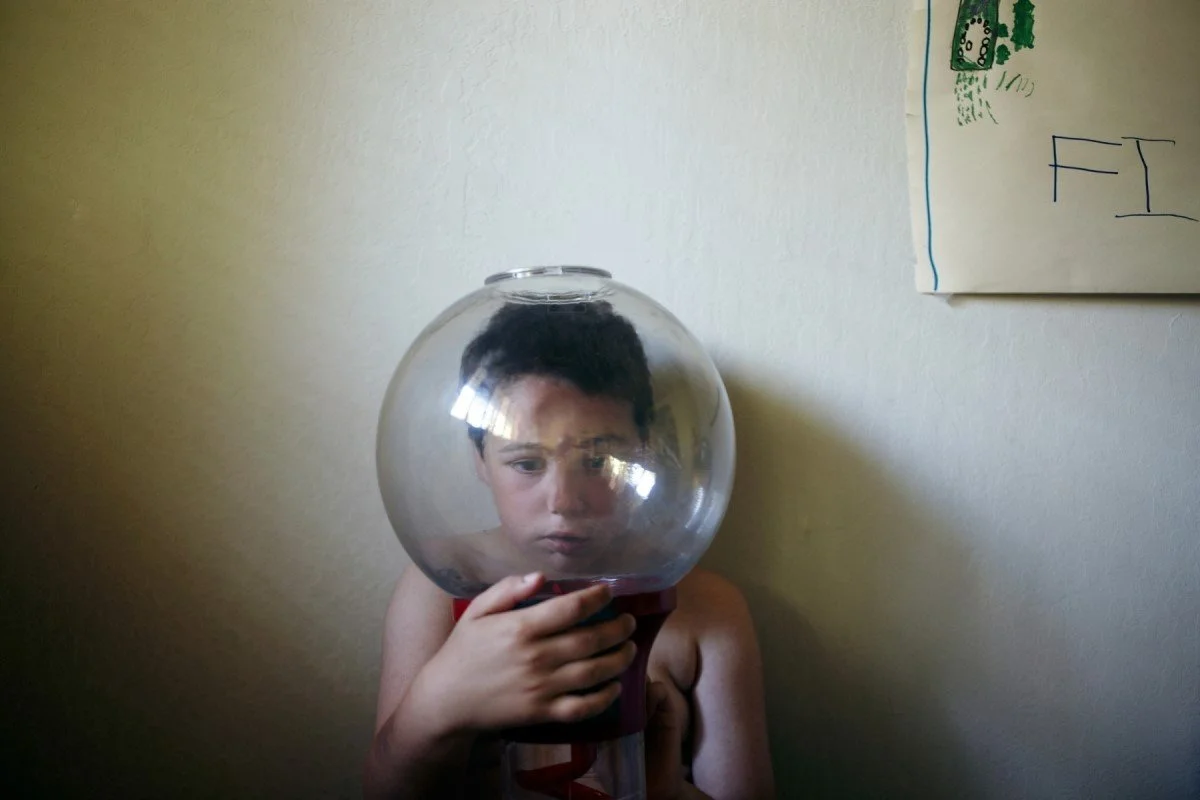
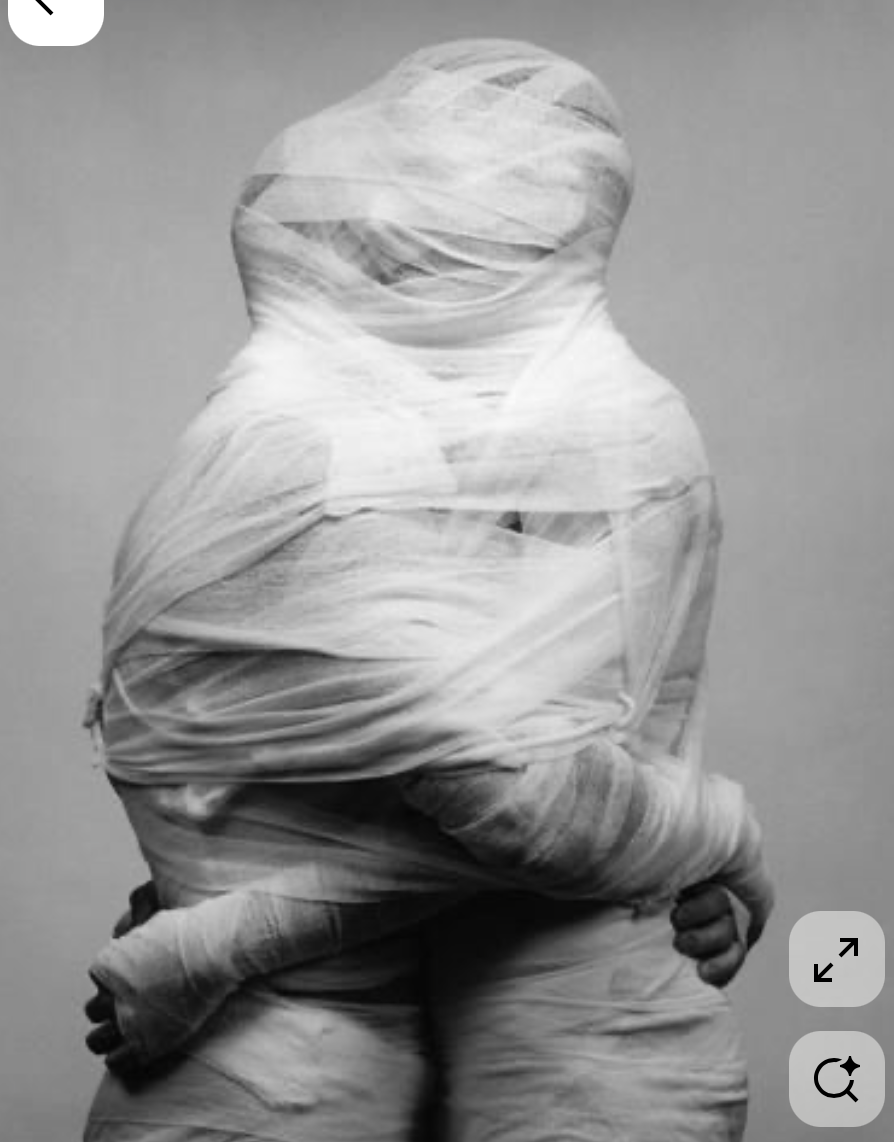
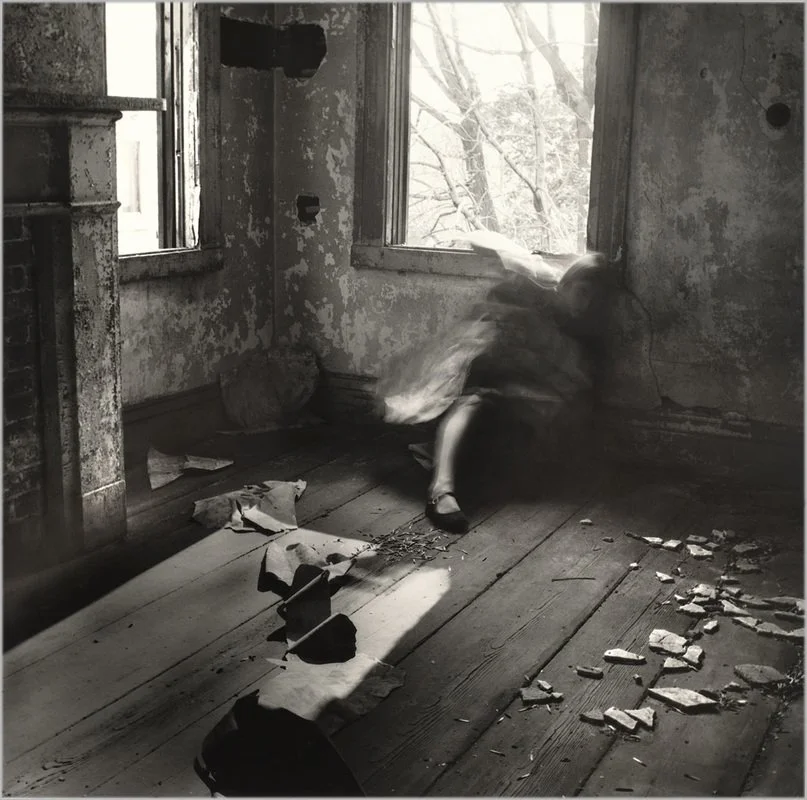
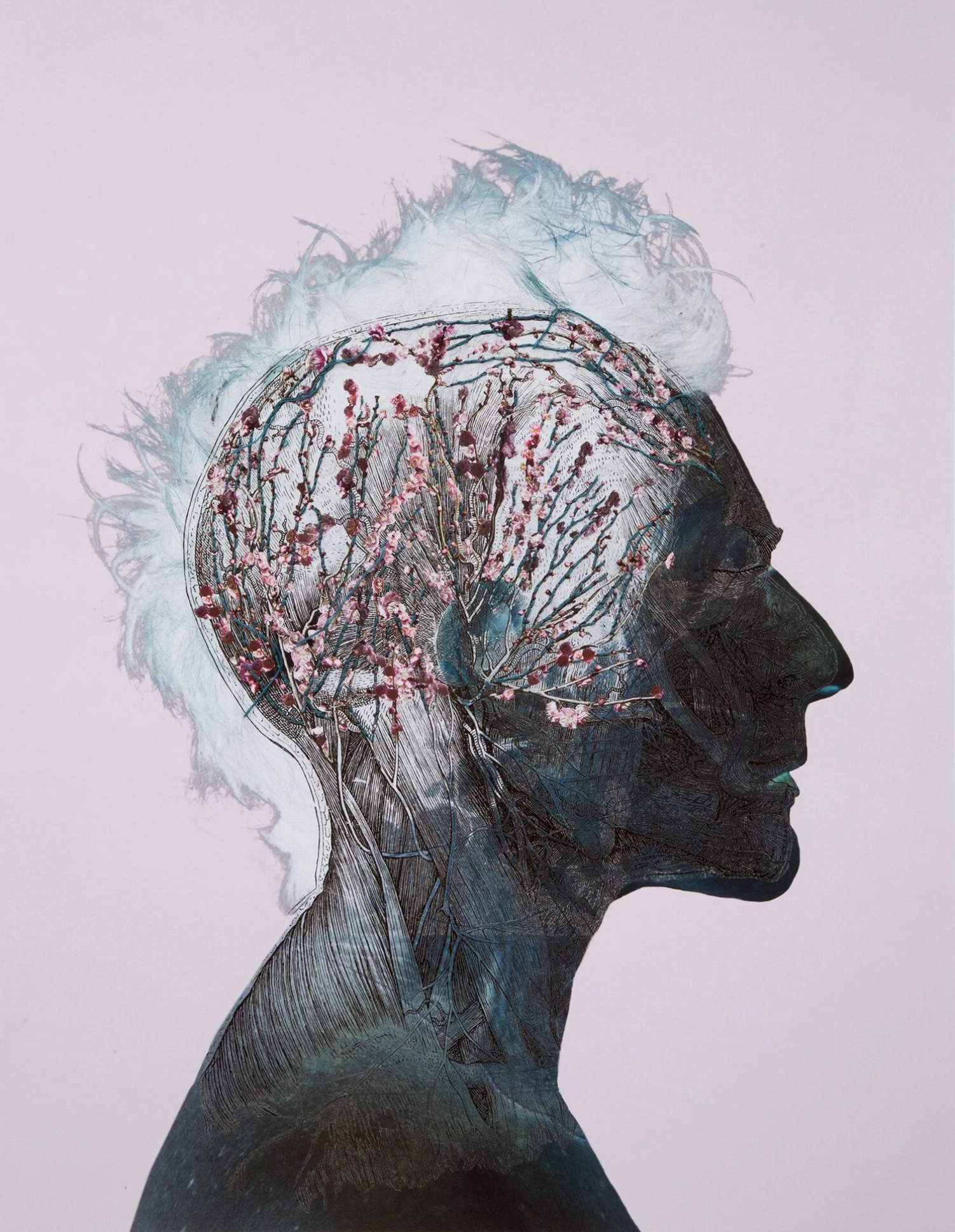
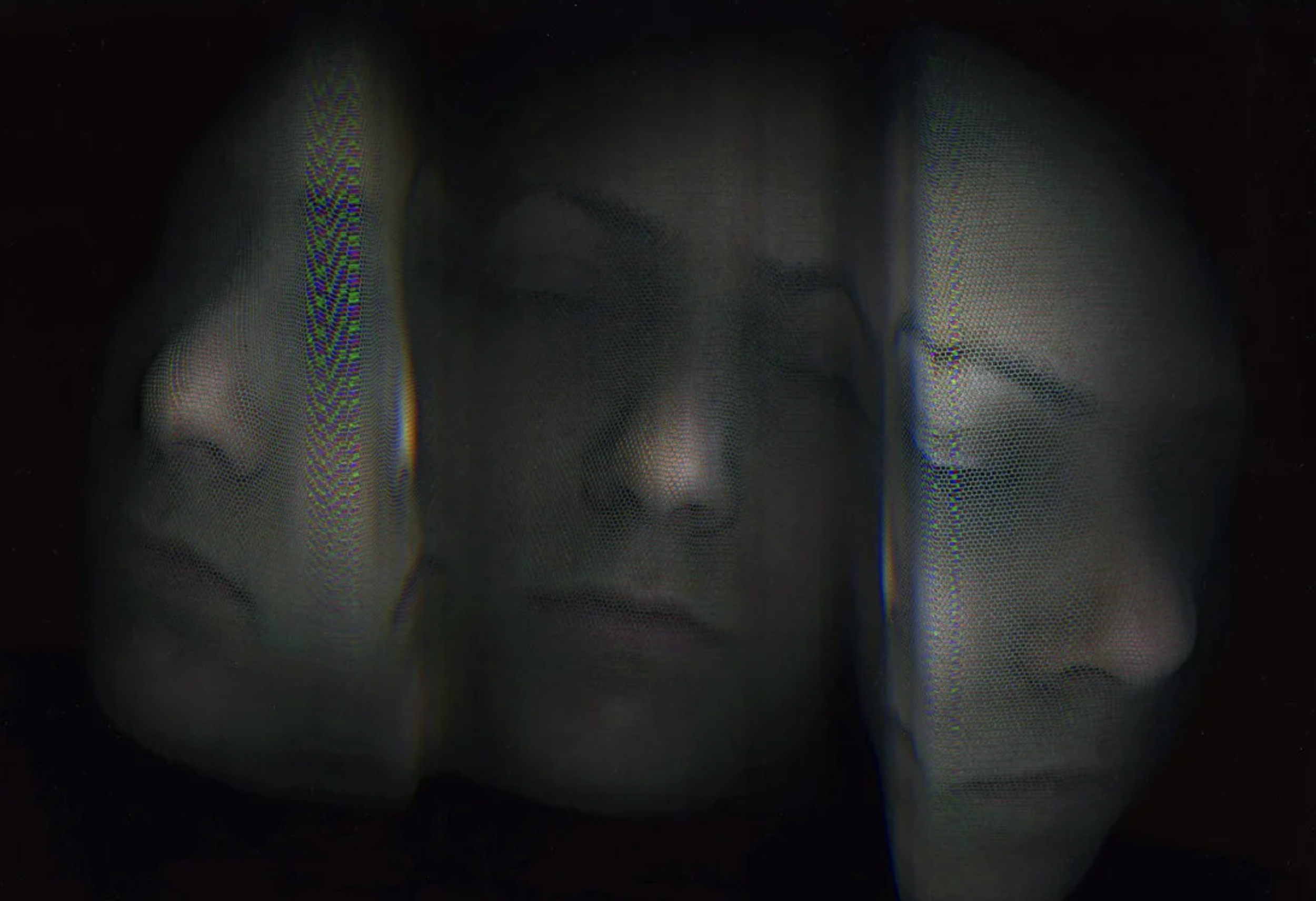
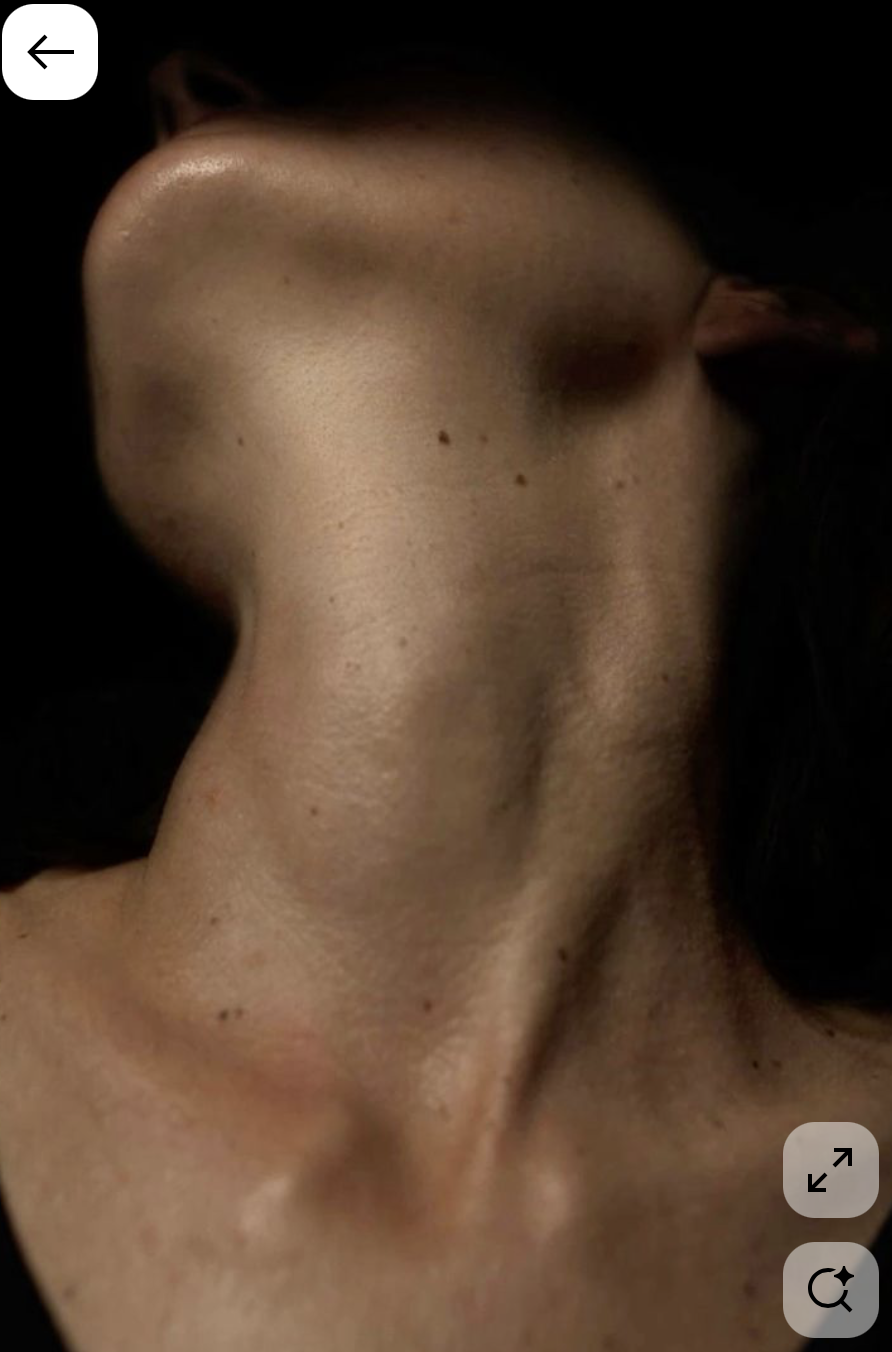
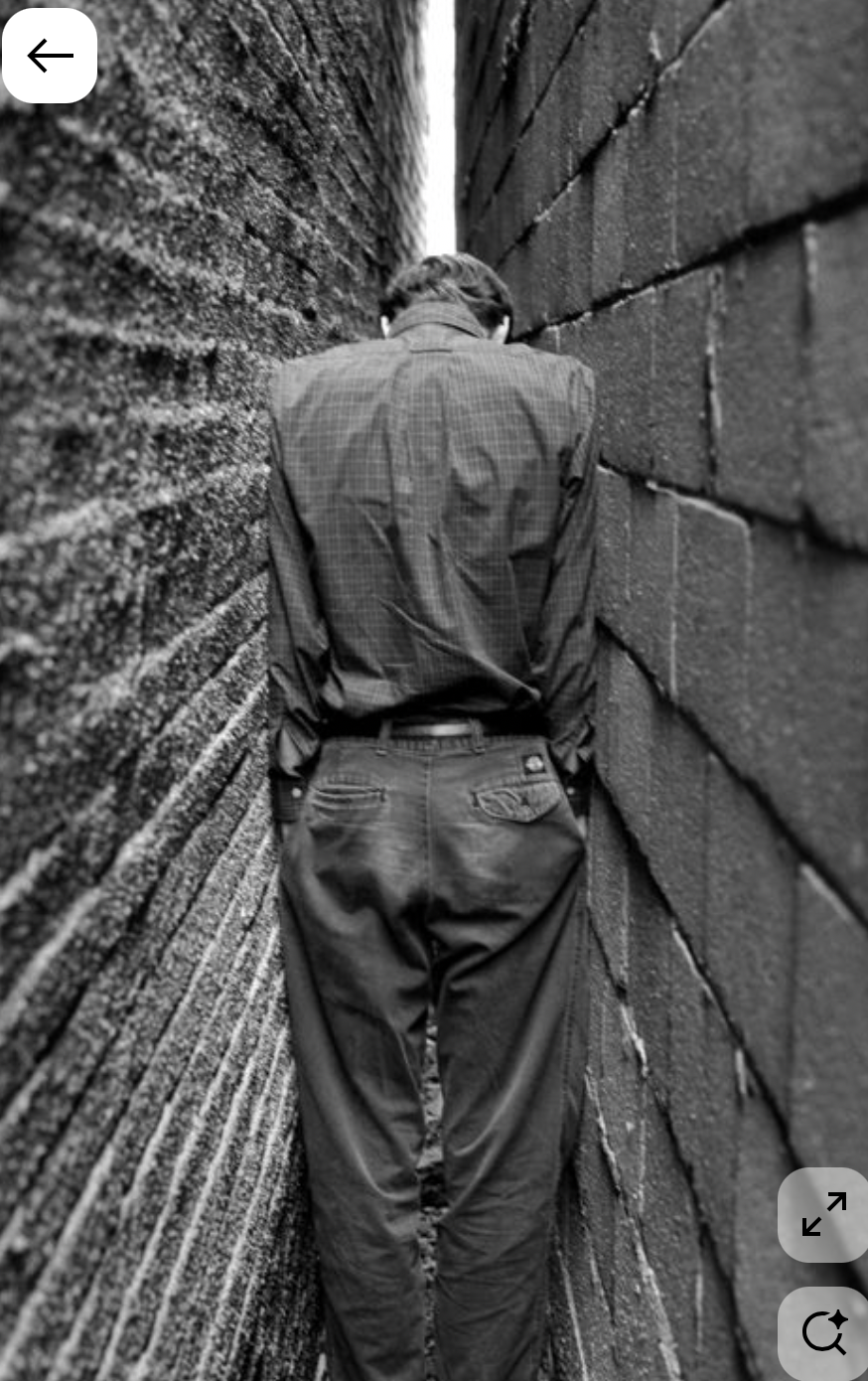
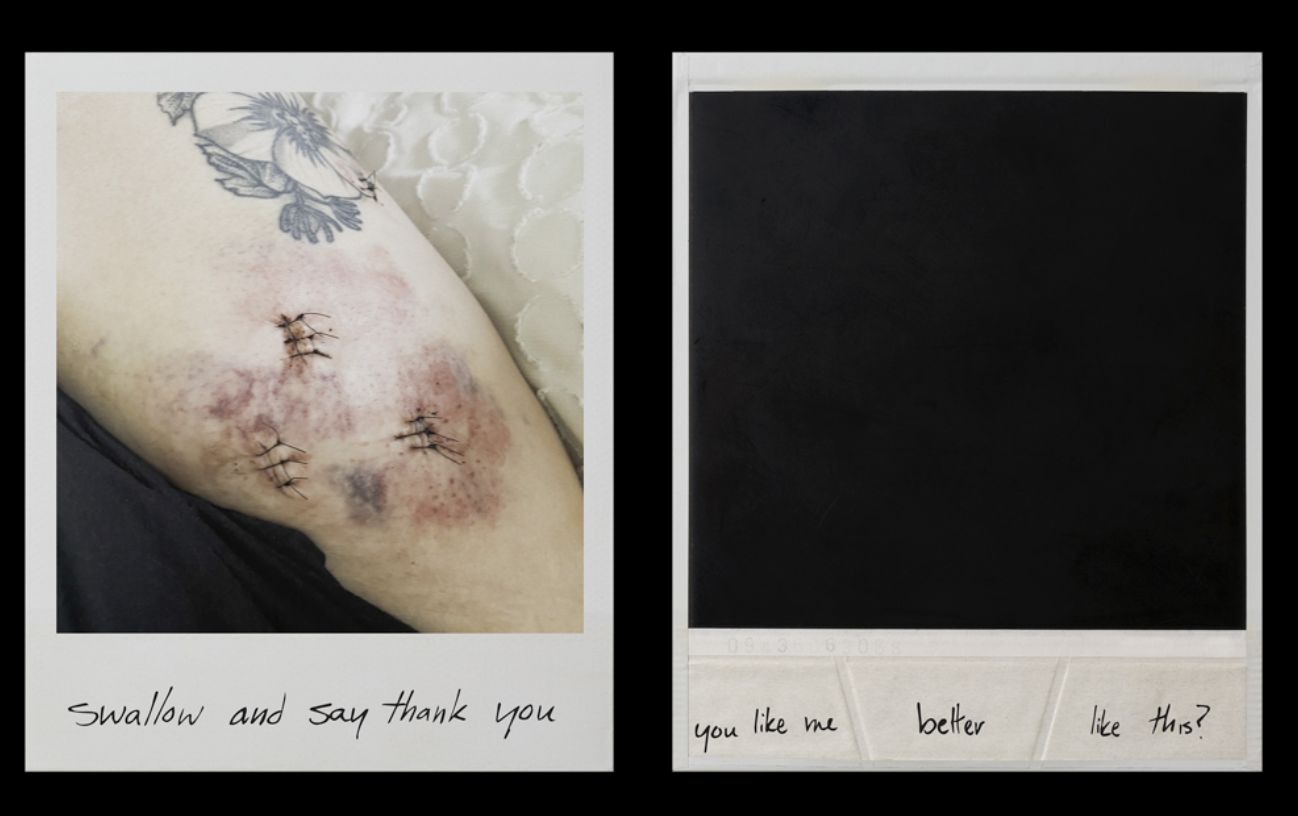
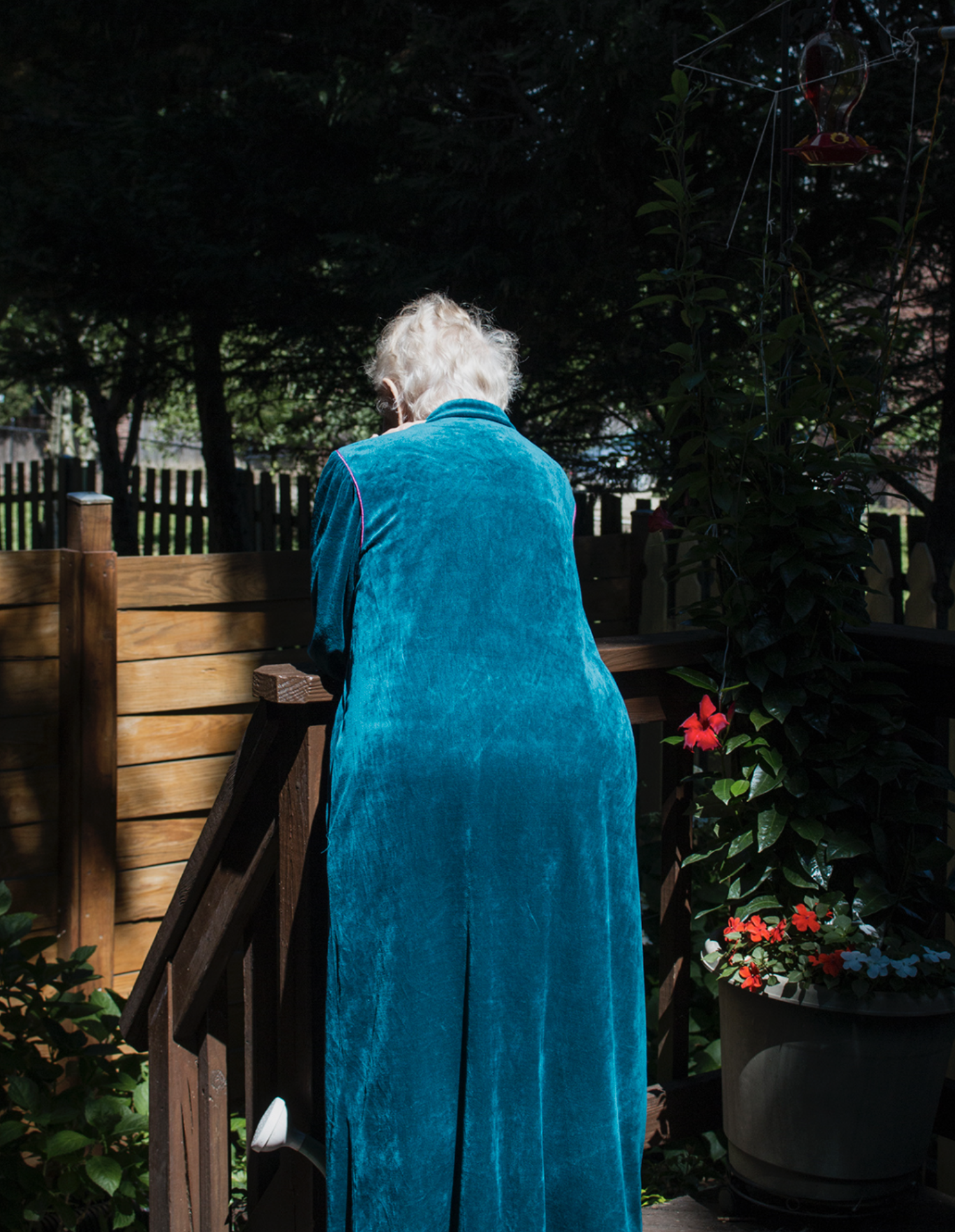
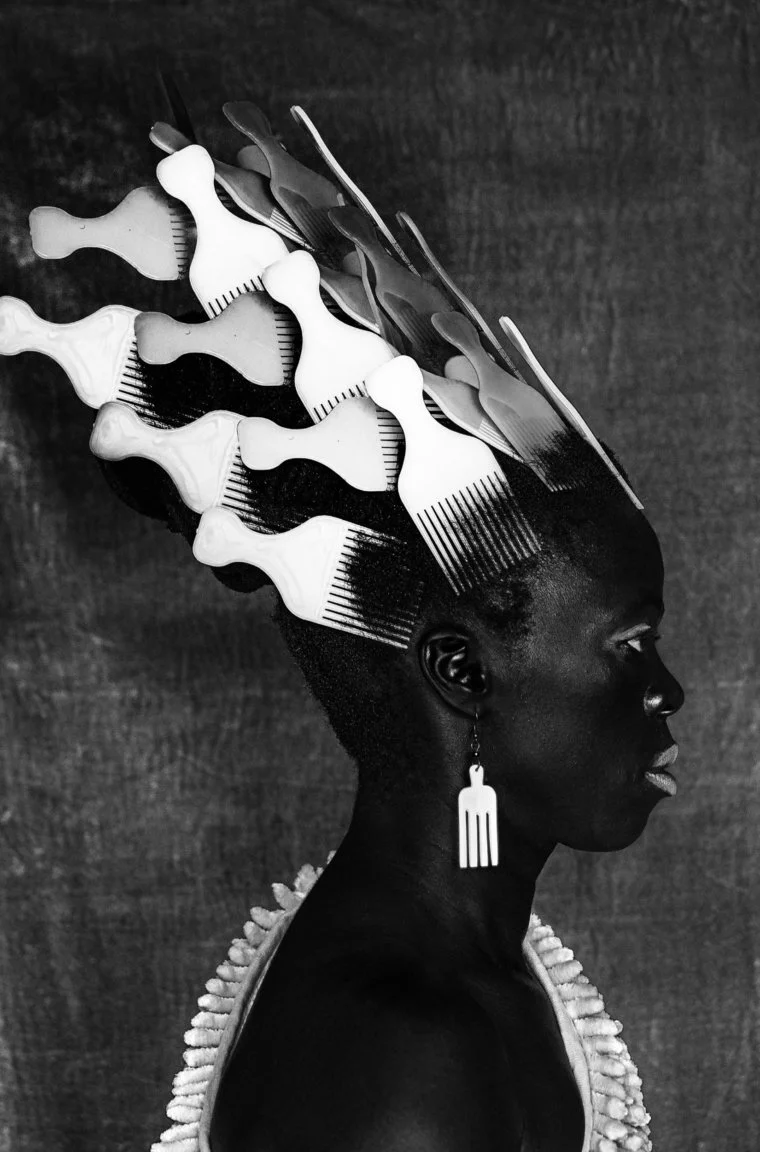
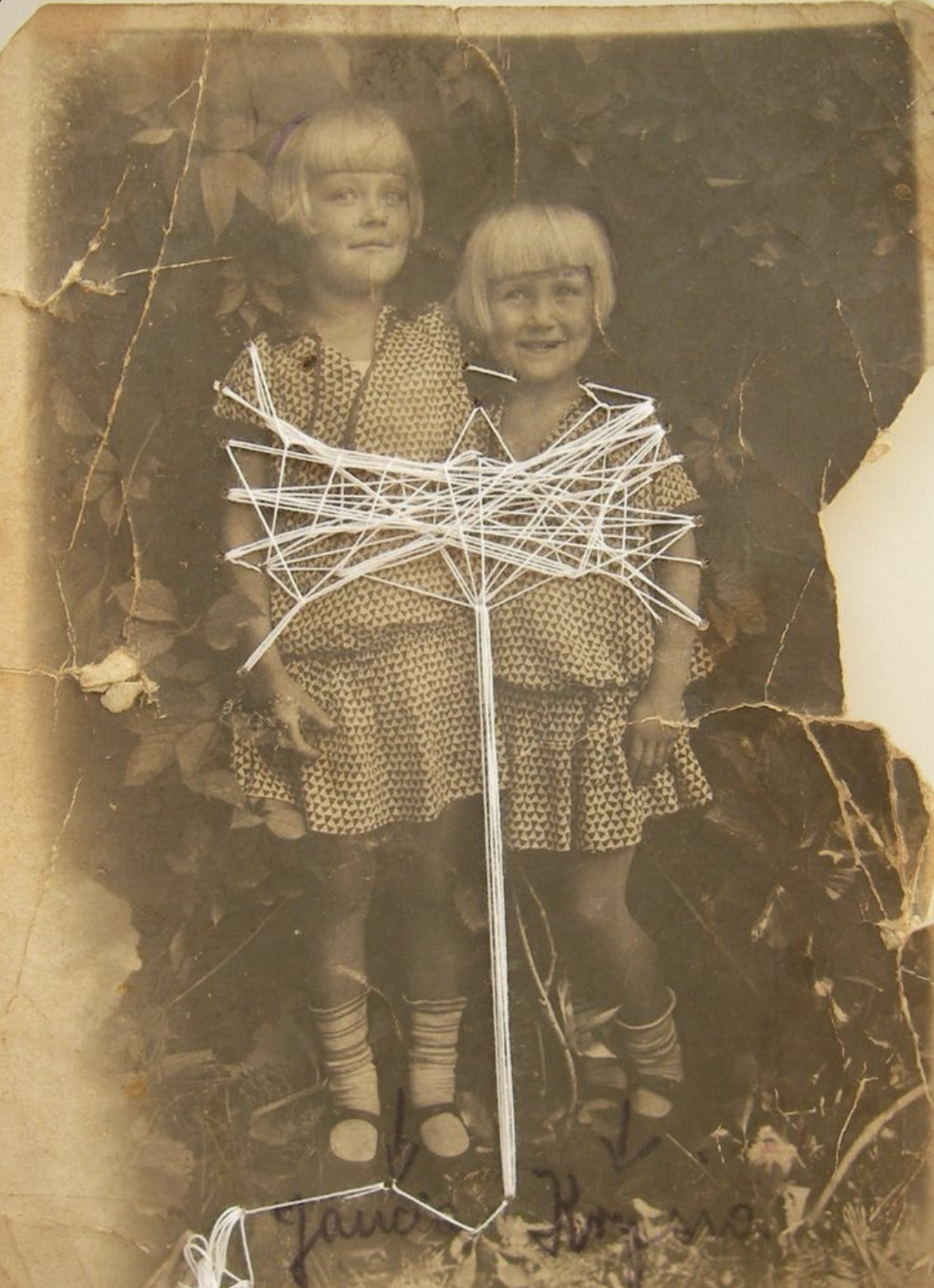

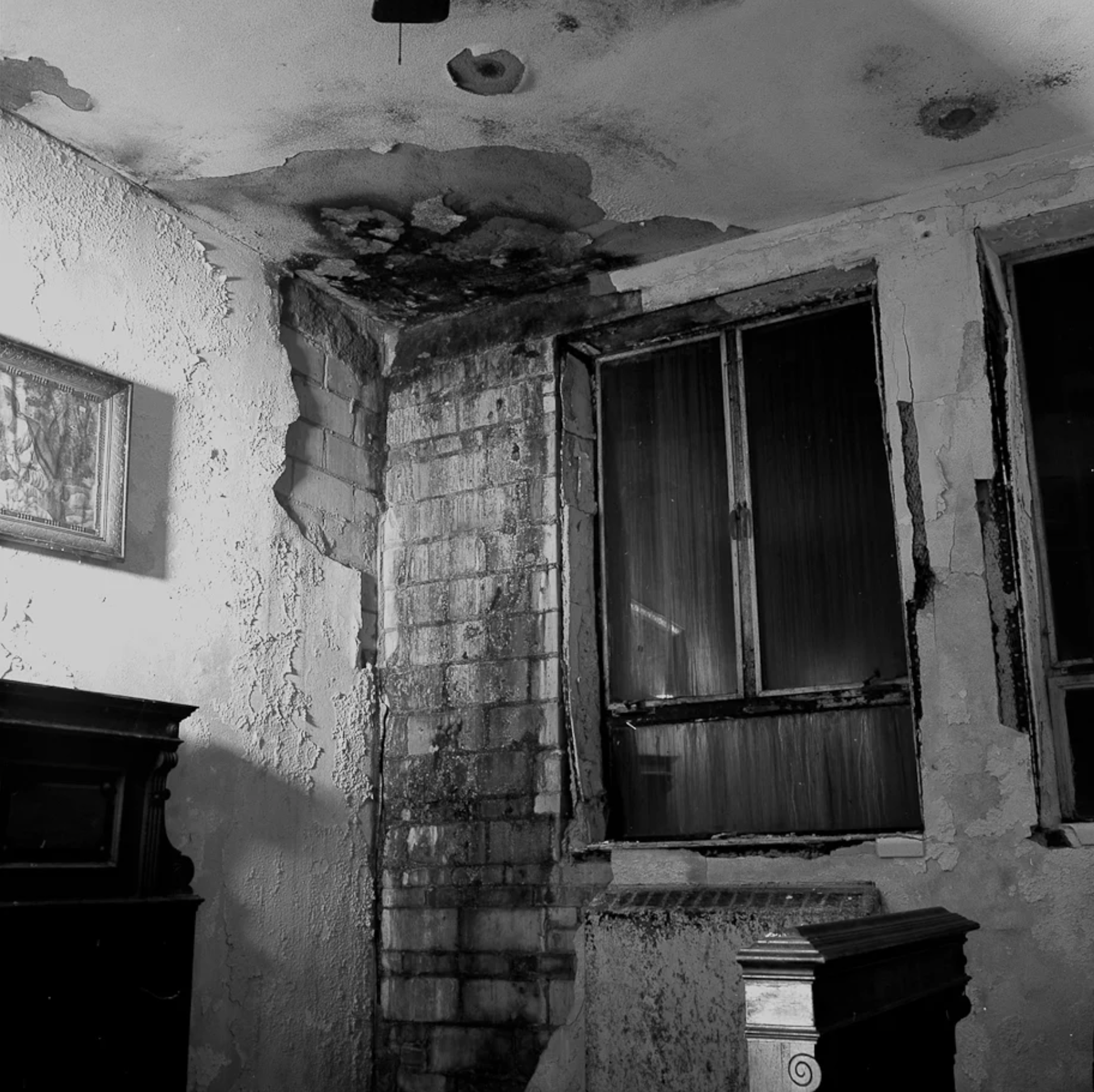
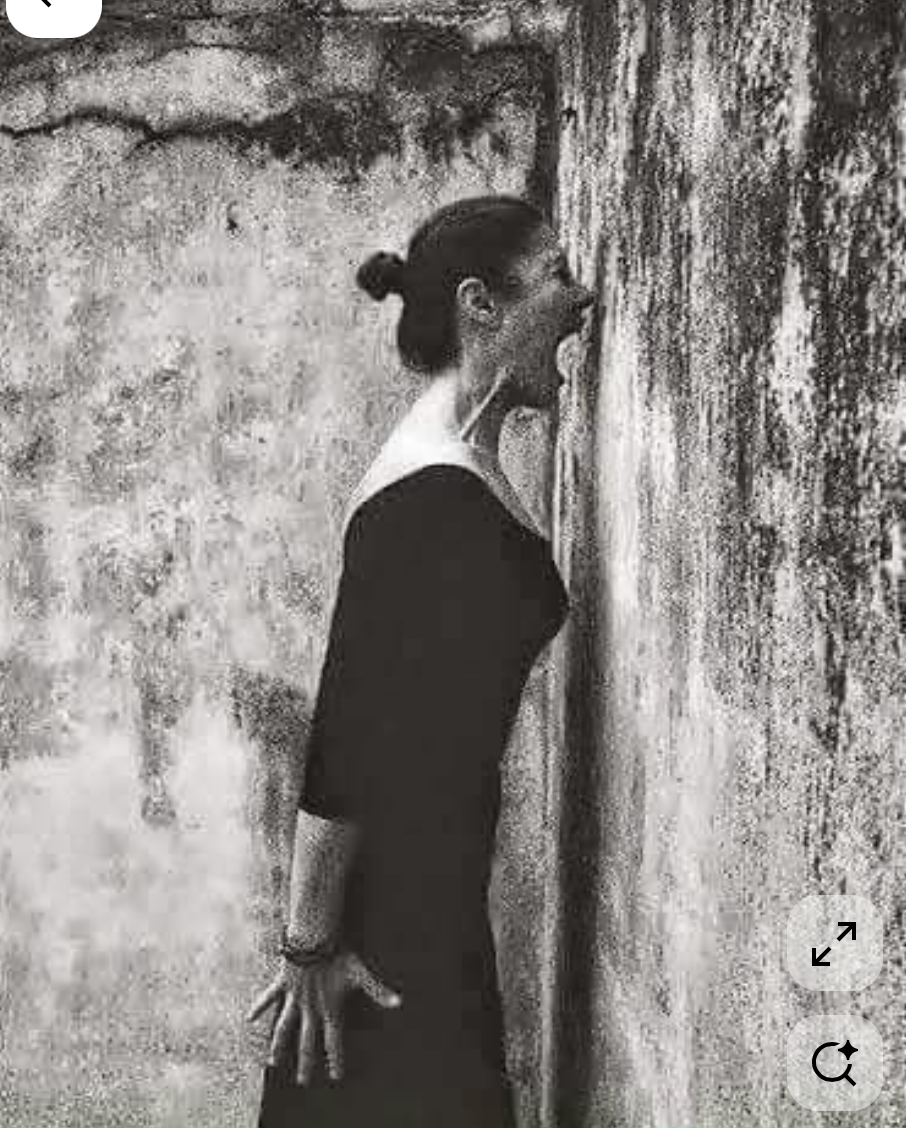
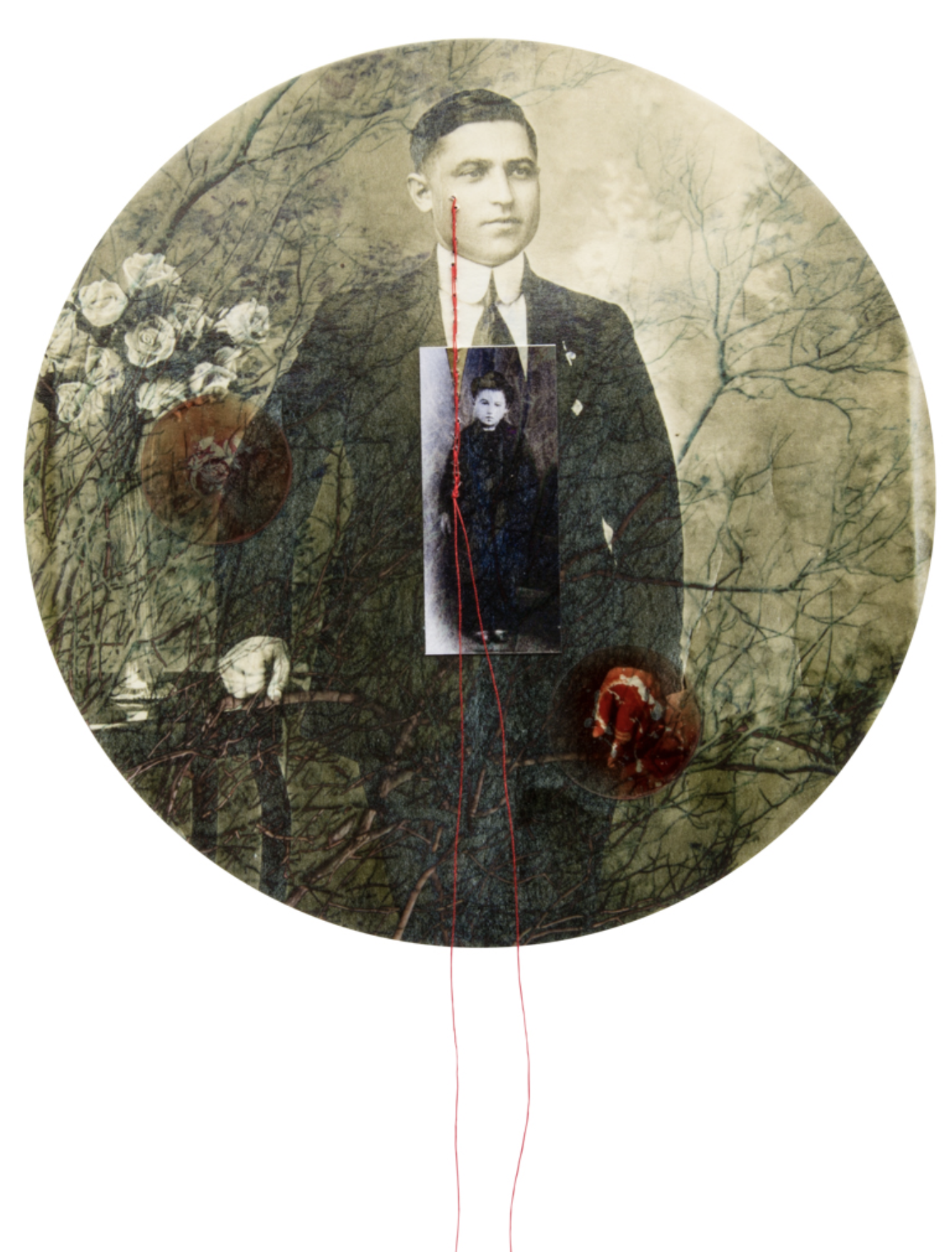
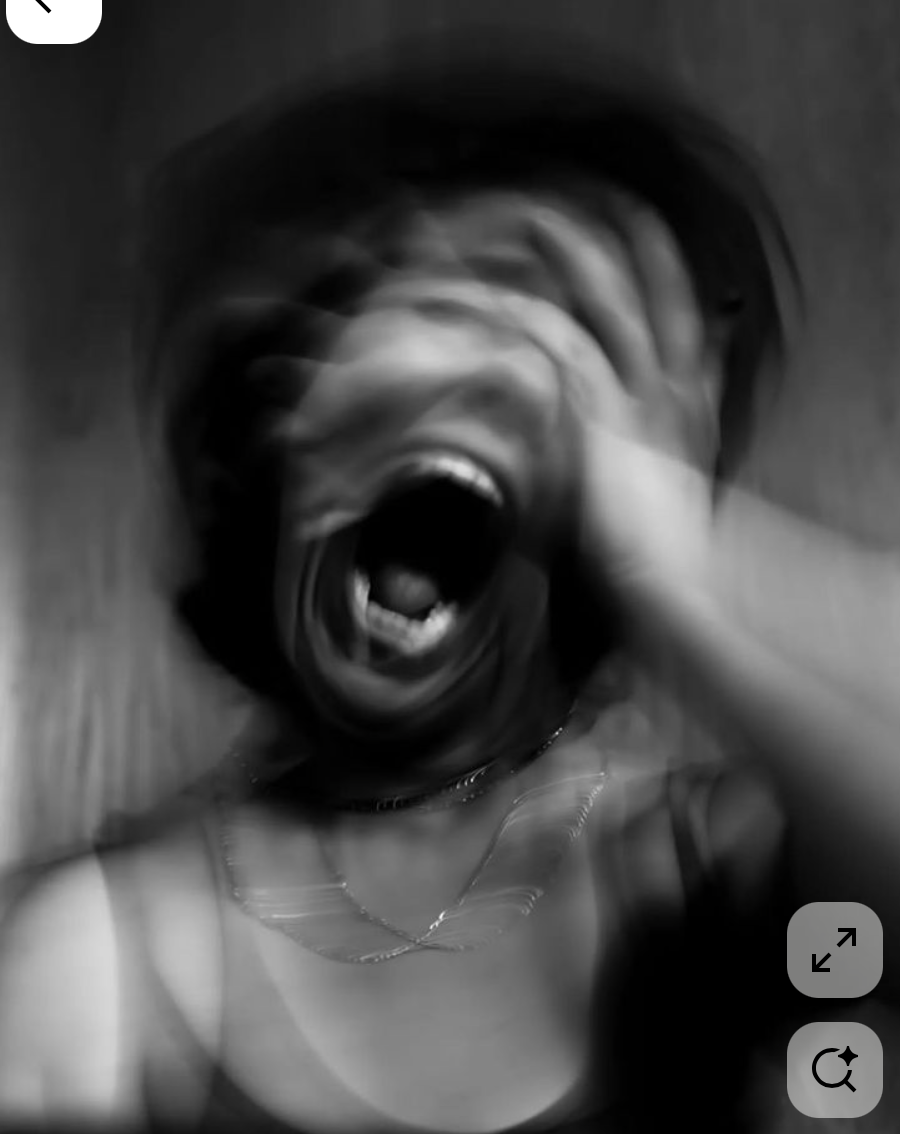
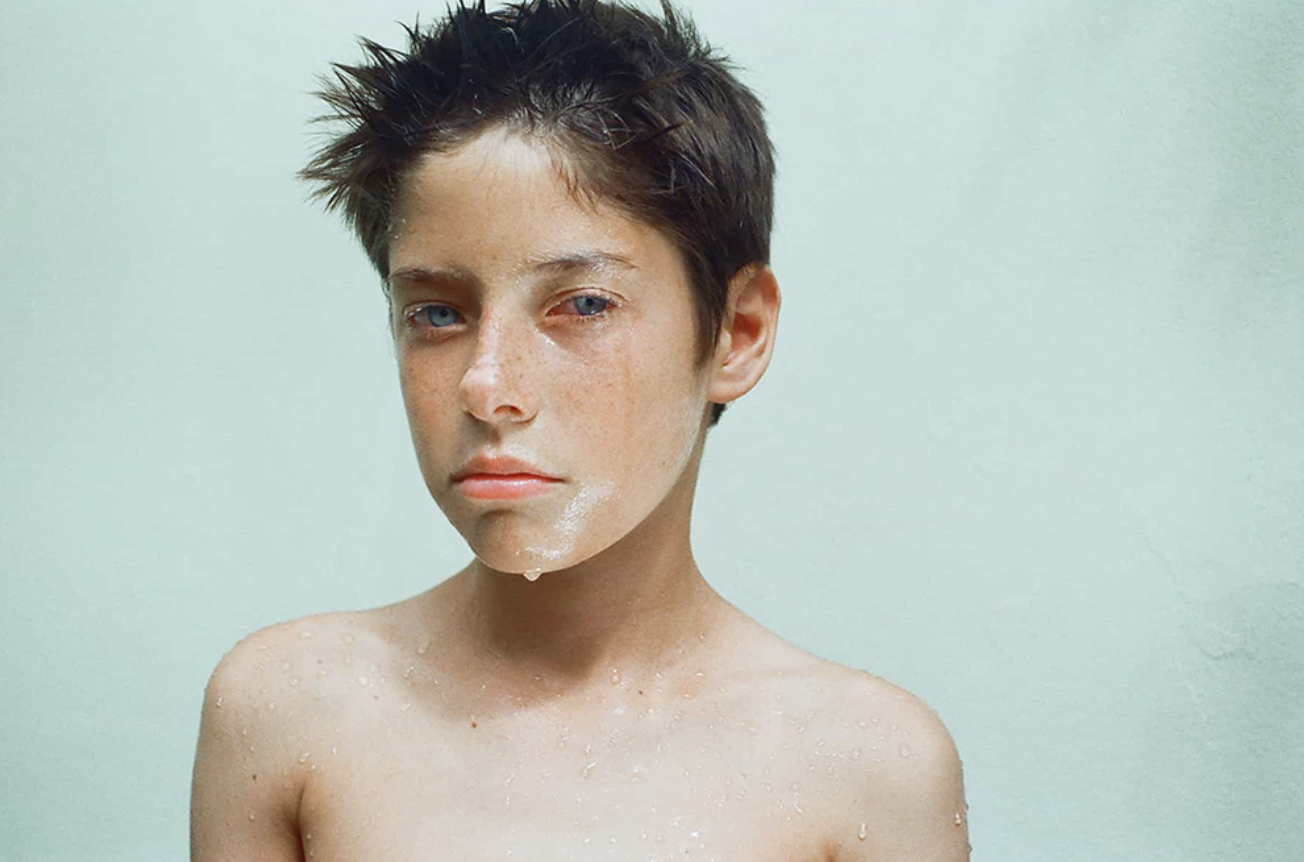
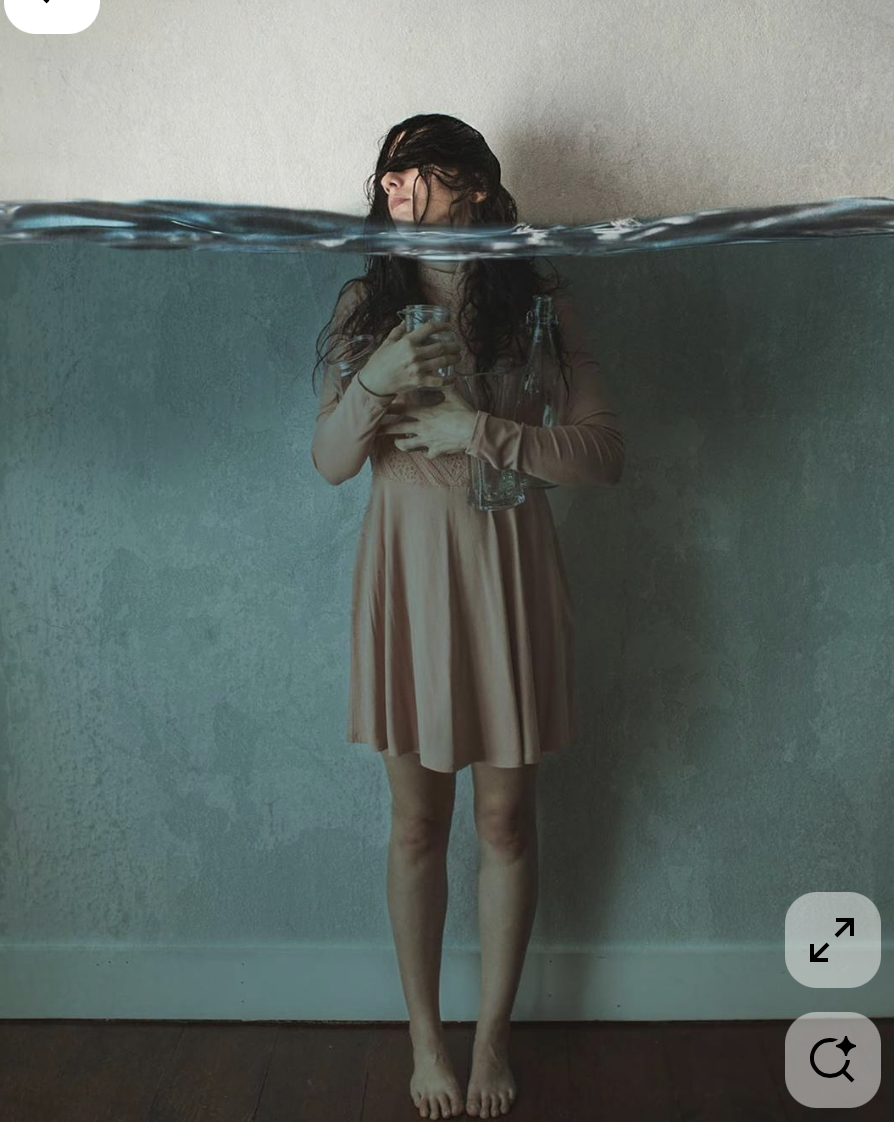
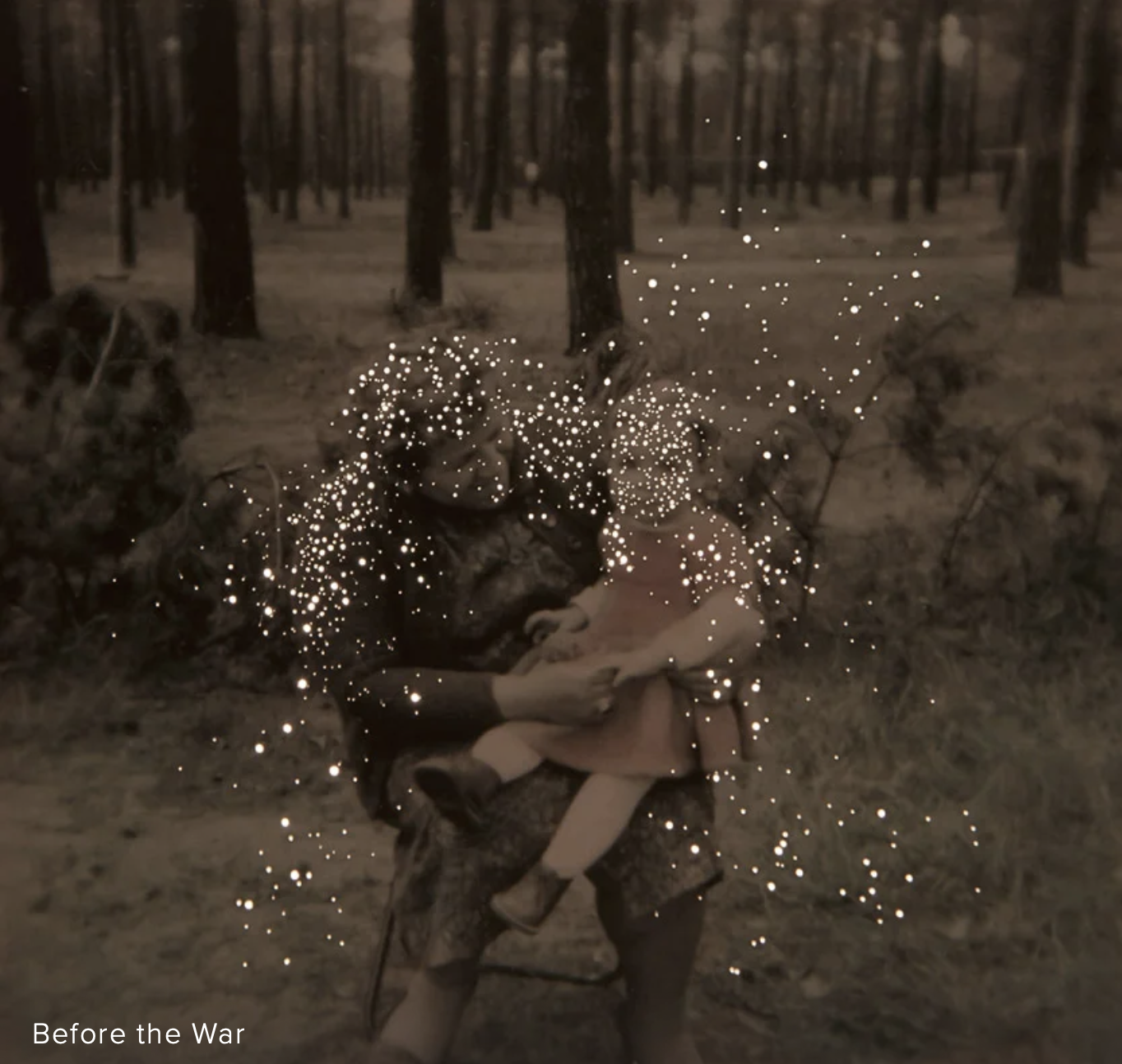
The above slideshow of images include a variety of professional and client work using photography as a therapeutic means to healing, self-exploration, and expression:
Photography is a “medium of moments” where the past and future no longer exist but the present is NOW at its most tangible.
Research supports that engagement with photography offers help with grief, trauma, and the navigation of complex emotions. It can aid in mindfulness, unpacking family history and the narratives it carries, and the stories we tell ourselves that were never ours. Photography serves as an intuitive and powerful tool for self-reflection, expression, and self-understanding.
Within this therapeutic context and environment, photography becomes more than art—it becomes an emotional exercise and a way to reframe the world and your place within it. It aids in your expression of feelings when words aren’t enough, and it provides a deeply meaningful method of processing difficult feelings, experiences, and meanings within memories.
What is “PhotoTherapy,” and how can it help?
-
Phototherapy is a structured therapeutic expressive arts approach guided by a licensed counselor to aid clients in their healing process. It uses photos—sometimes personal, sometimes symbolic—as therapeutic tools in counseling sessions. The goal is often to uncover suppressed emotions, work through trauma, examine familial patterns, engage in inner child work and self reflection, and stimulate meaningful conversation in a therapeutic setting.
Phototherapy does not require extensive knowledge of cameras and is led by a knowledgable therapist in a clinical setting. Clients can be beginners; all that is required is an intention to engage in the creative process with honesty and courage.
-
Sessions will look similar to “normal” counseling sessions but can incorporate one or more of the following photo/lens-based interventions to aid in healing and self exploration:
1 Prompts to direct the client toward expression around specific topics (self, self-portraits, identity, relationships, grief, body image, depression, anxiety, attachment, and more). End creative images can include shot and edited photographs as well as old printed photographs altered by client to aid in expression.
2) Bringing in family photographs to aid in processing family history, familial patterns, trauma, and lost inner child work.
3) Interactive photo collage as embodied creative construction/destruction activity using personal or public photos.
4) Mindfulness walks using the camera to observe with intention.
5) Processing, guided reflection, and “meaning-making” of client-created photographs after completed.
6) Photo-projection techniques using photographs (not shot by client) to assist in therapeutic processing.
NOTE: “Therapeutic Photography,” photography done without the guidance of a professional but with the sole purpose of healing, can also be incorporated into session.
-
Interactive Groups / Workshops - details coming soon!