EMDR
(Eye Movement Desensitization and Reprocessing)
A Neuroscience-Informed Path to Treating Trauma
Eye Movement Desensitization and Reprocessing (EMDR) is an evidence-based psychotherapy intervention that helps the brain reprocess traumatic memories through structured and guided bilateral stimulation. As a trained EMDR therapist, I recognize how unresolved trauma and painful memories can disrupt clients’ emotional well-being. With EMDR, clients often experience immediate relief from distressing experiences using the brain’s innate healing capacity.
Unlike traditional talk-therapy, EMDR does not require you to describe or “relive” the traumatic experiences in detail. Rather, the talking is minimal and the bilateral stimulation (eye movements) alongside awareness of the affecting memory causes the brain to naturally process the trauma from a safe emotional distance and with a trusted guide. This makes EMDR especially valuable to those who have trouble with verbal expression or feel too overwhelmed by traditional talk therapy.
EMDR is especially effective for:
PTSD and Single-incident trauma
Flashbacks or Nightmares
Phobias and Performance Anxiety
Medical Trauma
Sexual Trauma
EMDR can also help clients with symptoms of:
Anxiety
Depression
Low Self-Esteem
Chronic Pain
Grief
WHAT IS TRAUMA?
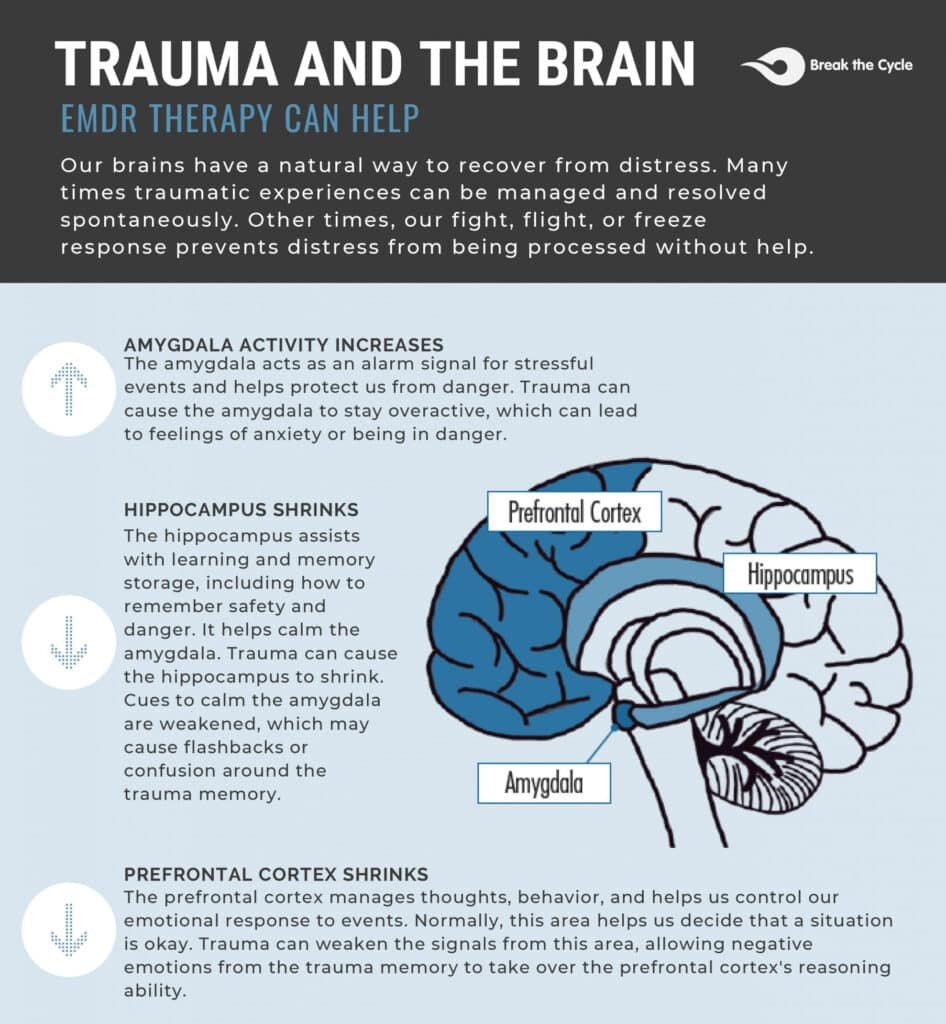
TRAUMA is an emotional or physical response to a deeply distressing, harmful, or (real or perceived) life-threatening experience that overwhelms the brain’s ability to process the event; the traumatic event gets “stuck” and turned into a “frozen memory” that continues to cause real-time distress as if the experience is still occurring.
The word trauma comes from the greek term meaning “WOUND.” Physical trauma refers to extreme bodily harm such as head trauma, severe burns, or gun shot wounds. Psychological and emotional trauma involves a deep mental shock caused by events like abuse, natural disasters, violence, or the loss of a loved one. Trauma can be acute (from a single incident, chronic (from repeated exposure), or complex (from multiple ongoing interpersonal events usually beginning in early development).
Trauma can come with many dabilitating symptoms experienced long after the traumatic event:
Emotional -
Deep fear, helplessness, anger, anxiety, sadness, emotional numbness, guilt, disorientation, dissociation
Physical
Chronic headaches, fatigue, insomnia, restlessness, nightmares, hypervigilance (needing to be alert for danger in seemingly non-dangerous circumstances), hyperarousal (easily started or constantly on edge)
Behavioral
Relationship distress (trouble trusting others), avoidance of reminders (including numbing with addictive substances and behaviors), flashbacks and outbursts
Trying to run away from difficult memories can backfire.
"This experience isn't ever going to be erased, so when you ignore it, it's still there," Dr. Megan Auster-Rosen says. "It's just going to rear its head in a variety of different ways until you actually face it."
EMDR can provide RELIEF.
Decades of research supports EMDR therapy as a highly effective intervention for clients suffering from traumatic memories and accompanying symptoms.